In a continent with an abundance of natural resources and major structural challenges, understanding what renewable and non-renewable energy is becomes essential to move towards a sustainable energy model.
South America, with its climatic and geographical diversity, has a unique opportunity to lead the global energy transition. However, generating clean energy is not enough: the real change occurs when that energy is managed with intelligence, efficiency, and safety.
What is renewable and non-renewable energy?
Renewable energy regenerates naturally while non-renewable is limited. Renewable energy is any source obtained from natural resources capable of regenerating continuously, such as the sun, the wind, water, biomass, or the Earth’s internal heat. These sources do not deplete on a human timescale and, moreover, they do not emit polluting gases during their generation process. Find out more in our article about what renewable energy is!
In contrast, non-renewable energy comes from limited natural resources that are depleted over time and use. It includes fossil fuels such as coal, oil, and natural gas, which take millions of years to form. South America has an exceptional renewable potential in the region.
Why is it important to differentiate between the two?
Understanding what renewable and non-renewable energy is is crucial for strategic decision-making in energy projects:
- Make strategic decisions in energy projects.
- Reduce the environmental impact of operations.
- Optimize long-term operational costs.
- Comply with international environmental regulations.
Main types of renewable energy
South America has exceptional geographic and climatic diversity that positions it as a natural leader in the development of renewable sources. Each type of renewable energy takes advantage of specific resources abundant in different regions of the continent:
- Solar energy
Converts sunlight into electricity through photovoltaic panels. Solar radiation in arid zones of South America offers an exceptional potential for this technology. - Wind energy
Harnesses the movement of the wind using wind turbines. Strong winds in elevated or coastal regions of the region are ideal for this application. - Hydroelectric energy
Generates electricity with the movement of water. The abundance of water resources in many South American areas allows thinking of a cleaner energy matrix. - Biomass
Transforms organic waste into thermal or electrical energy, making use of local available resources. - Geothermal energy
Uses underground heat to generate energy continuously, offering a stable source independent of weather conditions.
Non-renewable energies: sources and limitations
Although renewable energies are gaining prominence, it is essential to understand the characteristics and limitations of non-renewable sources to correctly evaluate the available energy options. These sources have historically been the basis of industrial development but present significant challenges for long-term sustainability.
- Coal, oil and natural gas
These fossil fuels have been the traditional energy base, but they present significant limitations:- Finite resources that are depleted.
- Dependence on imports in many countries.
- International price volatility.
- Complex transport infrastructure.
- Environmental impact and associated risks.
Non-renewable energies generate:
- Greenhouse gas emissions.
- Air and water pollution.
- Impact on local ecosystems.
- Extraction and transport accident risks.
Advantages of renewable energies for South America
The development of renewable and non-renewable energy in South America not only has environmental impact but also economic. Renewables provide concrete advantages:
- Decrease dependence on fossil fuels.
- Reduction of greenhouse gas emissions.
- Boost to industrial innovation and job creation.
- Greater access to energy in rural or isolated areas.
- Decentralization and modernization of electrical grids.
Technological solutions for an intelligent energy system
The transition to an energy system based on renewable sources requires advanced technological solutions that allow integrating, managing, and optimizing multiple energy sources. These technologies are essential to overcome variability challenges and ensure a reliable and efficient supply.
Hybrid microgrid management
The growth of renewable energies poses new challenges: these sources, since they depend on natural conditions, do not always generate energy consistently. Their integration into electrical systems demands technology capable of managing variability.
For renewable and non-renewable energy to work efficiently, intelligent systems are required that manage hybrid microgrids. These systems integrate renewable sources, storage, and conventional backup.
Real-time monitoring and automation
Modern systems allow:
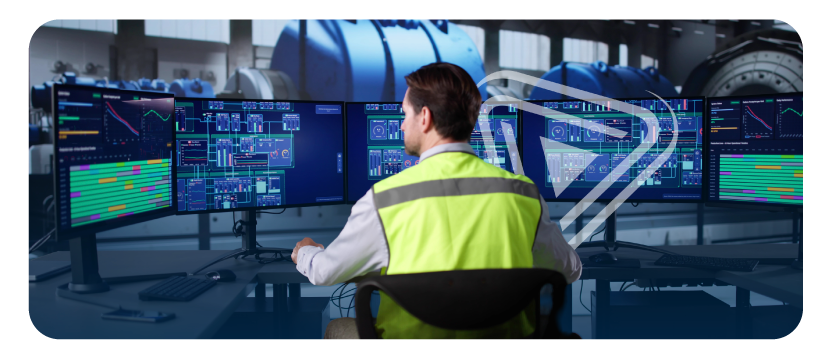
- Monitoring in real time the state and performance of the electrical system.
- Automating decisions based on generation and demand conditions.
- Ensuring scalability and adaptability depending on project complexity.
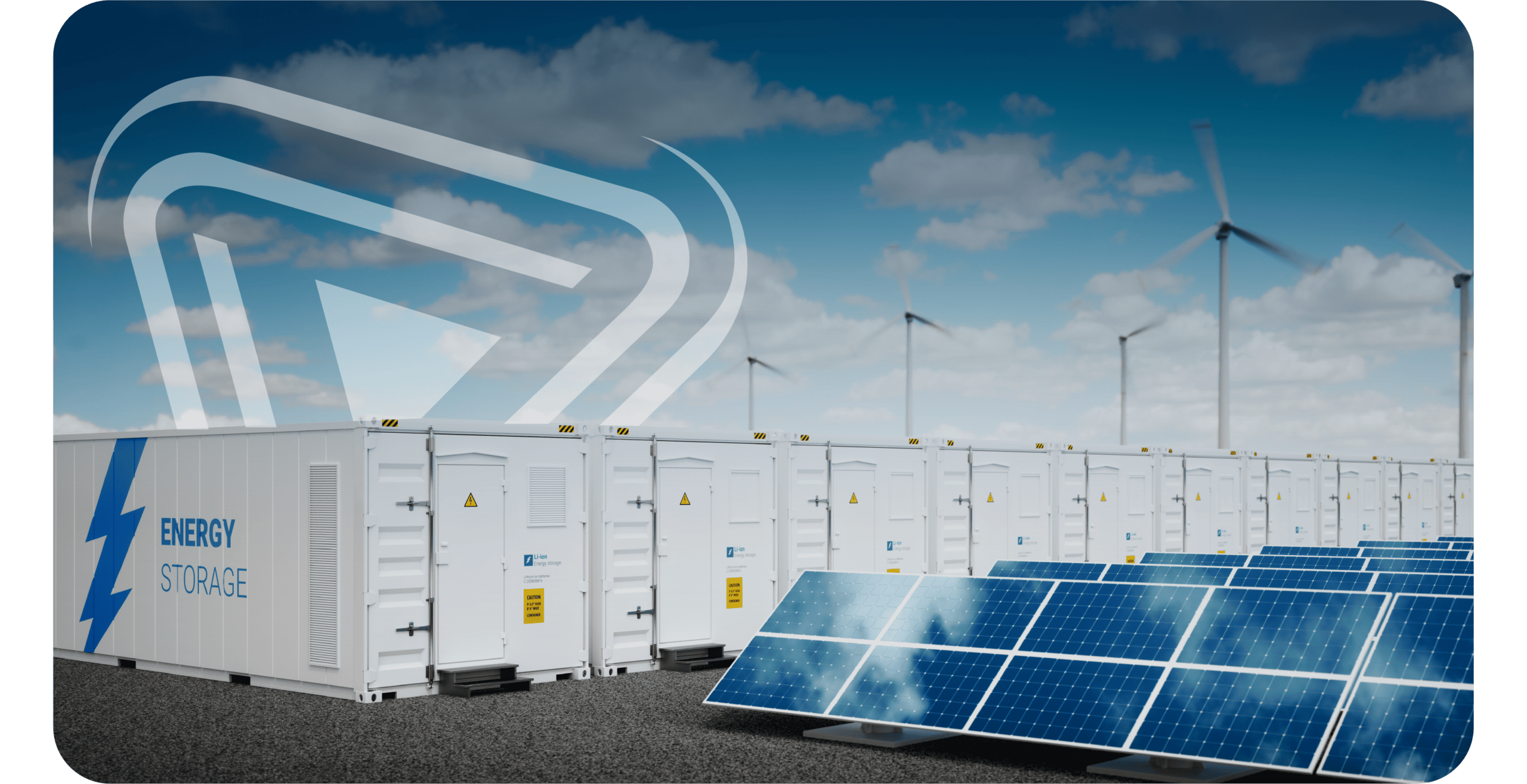
Energy storage through BESS (Battery Energy Storage Systems) consolidates as a key tool. In several South American countries, a growing demand for BESS solutions is observed, especially with the strong expansion of solar or wind sources.
Servintel: your ally in the energy transition
At Servintel, we develop technological solutions to facilitate this energy transition, tailored to industrial, rural, and critical infrastructure environments across the region. We have been working for more than 45 years creating efficient solutions that allow operating both renewable and non-renewable energy in a safe and sustainable manner.
Want to know how to intelligently manage renewable energy, storage, and conventional generation? Explore our hybrid microgrid management solutions.
Do you have a project or inquiry? Our technical team is ready to help you integrate renewable energies safely, efficiently, and scalably. Contact us now!
In summary
What is the main difference between renewable and non-renewable energy?
Renewable sources regenerate naturally, while non-renewable ones are finite resources that are depleted with use.
What examples of renewable and non-renewable energies are most relevant for South America?
Renewables: solar, wind, and hydroelectric. Non-renewables: oil, natural gas, and coal.
Why is technology important in the transition to renewable energies?
Technology manages the variability of renewable sources and integrates storage systems to optimize energy performance.